
The paradigm shift: from human search to agentic discovery
Digital discoverability is shifting again, and the next standard is coming into focus: the Open Knowledge Format (OKF). Whether or not it ships under that exact name, the direction is already visible in how AI systems are starting to consume the web. I see it less as a routine technical update and more as a pivot point for SEO. We are moving away from “human-eye optimization,” the work of tuning visual layouts and click-through rates, toward what you might call agentic discovery. In this new model, your business has to be discoverable and digestible for autonomous AI agents, not just for people. OKF exists to do exactly that. It uses Markdown-based structured knowledge bundles to make complex business insights readable by the agentic web. By standardizing how information gets handed to machines, this kind of format lays the framework for the next era of digital authority. To use it well, you first have to understand the architecture that lets agents pull truth from noise.
Deciphering OKF: the DNA of the new schema
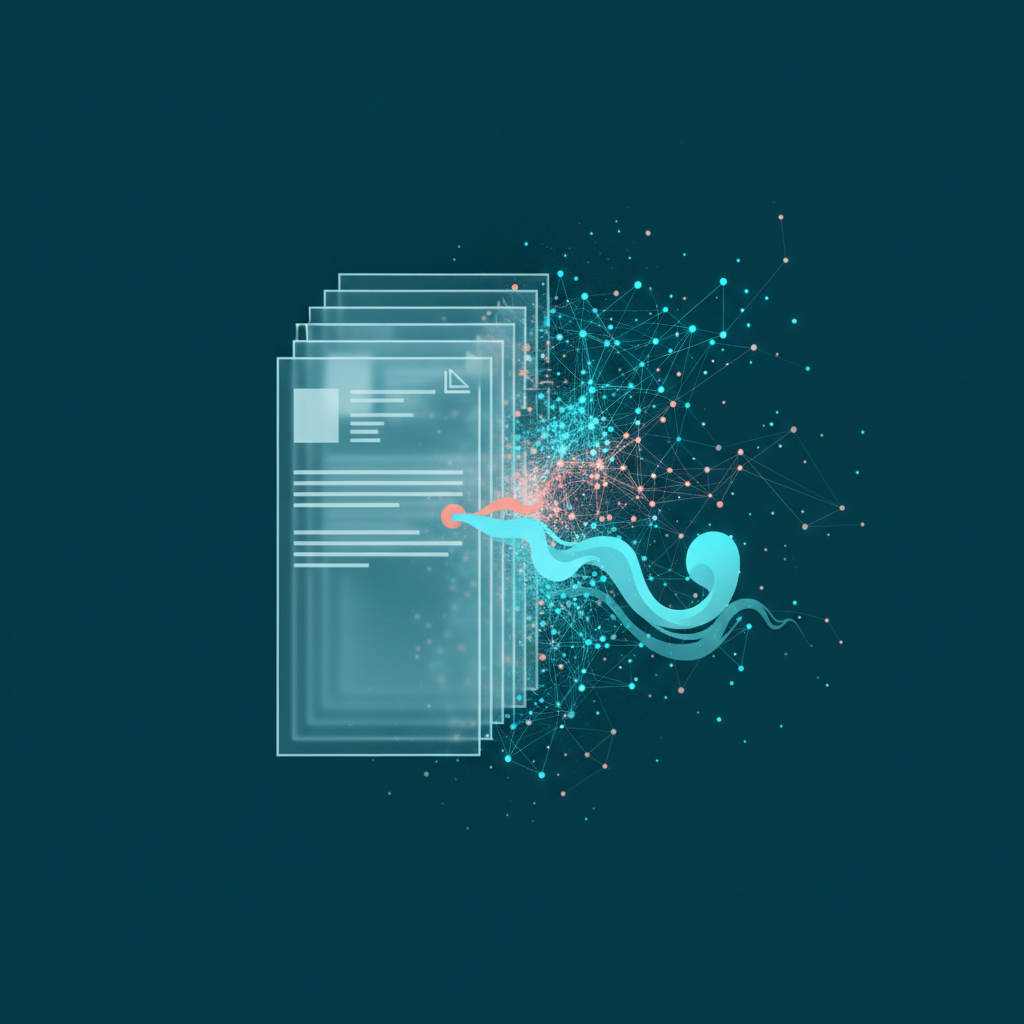
An OKF-style approach is what some are already calling “the new schema,” because it simplifies how AI systems consume, verify, and integrate data. Legacy structured data tends to sit buried in heavy JSON-LD. OKF instead relies on plain Markdown files and the “LLM Wiki” pattern that Andrej Karpathy helped popularize. Think of it as semantic unbaking. You strip away the crust of HTML and CSS presentation that humans need to navigate, and you keep the high-density semantic data that agents actually want.
A standard OKF concept file has three layers:
- YAML front matter. This metadata header carries fields like Type, Title, Descriptions, and Tags, giving the agent immediate context and classification.
- The body. This holds the core content, with standardized formatting for citations and cross-linking, so the agent can verify information and move between related concepts.
- The directory structure. Files are organized into cohesive Knowledge Bundles that include Index files for navigation and Log files for versioning and provenance. Teams maintain these with developer-friendly tools like Git, or knowledge systems like Obsidian, so the knowledge base stays a living, version-controlled asset.
The payoff is simple. Businesses can offer raw, high-fidelity knowledge that agents ingest without the latency and distortion of traditional web design.
Building AI authority: the Ambient Array methodology
In the age of agents, authority is no longer about high-volume keywords. It comes from the structural integrity of a brand’s knowledge. At Ambient Array, we get ahead of this shift with our proprietary Topic Modeler, a workflow that codifies tribal knowledge into machine-readable OKF schemas. This is more than content conversion. The Topic Modeler uses recursive prompting to extract latent expertise and structure it into Knowledge Bundles, which is how you close the “hallucination gap” between what a brand actually means and what an AI generates.
Our core service is building and hosting these OKF files directly on our clients’ websites. That keeps the client as the primary source of truth for any AI agent crawling the web. Maintaining that direct link gives you a proactive architecture that prevents brand dilution in AI-generated answers. When an agent goes looking for information, it pulls the most accurate, authoritative version straight from the source, tethering the AI’s response to verified facts instead of probabilistic guesses.
The “so what?” layer: strategic impact and future revenue
Adopting an OKF approach now is a real strategic move for long-term relevance. Semantic unbaking lets you move your most valuable insights into formats built for agentic discovery. It also signals a broader change, from an attention-based economy to a precision-based one. As AI systems become the primary consumers of information, new revenue streams open up. Subject-matter experts will be able to license “OKF Bundles” of proprietary knowledge directly to AI platforms, or to other businesses that need verified data, moving from advertising toward knowledge licensing.
To stay competitive in this landscape, focus on three takeaways:
- Agent accessibility via llms.txt. Treat this as the robots.txt of the agentic era, a definitive pointer that lets autonomous agents discover and ingest your OKF directory without friction.
- Proprietary knowledge monetization. Prepare for the move from traditional ads to knowledge licensing, where high-integrity OKF files become tradeable assets and verified knowledge packs.
- Human-agent hybrid formatting. Markdown stays fully readable to your human collaborators while being optimized for machine reasoning and cross-linking. You do not have to choose between the two.
The businesses that structure their knowledge today are the ones that will be treated as primary authorities tomorrow.
Want your business to be the source of truth that AI agents cite? Talk to Ambient Array about building your OKF knowledge layer.